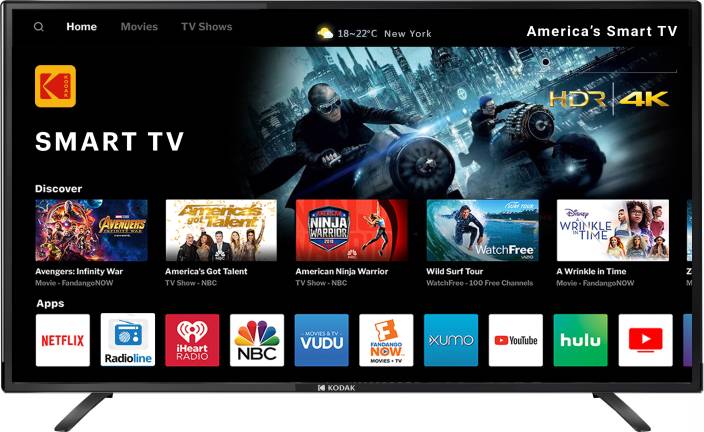
The shift from conventional (analog) TV to digital TV marked one of the biggest changes in home entertainment. I remember growing up in the 90s, fiddling with rabbit-ear antennas to get a clear picture on our old CRT set. Snowy screens, ghosting images, and that constant buzz when the signal dipped—those were everyday frustrations. Then digital came along, and suddenly everything looked crisp, sound was clean, and channels multiplied without extra cables. It felt like magic at first.
This article dives deep into comparing conventional analog TV and digital TV features. We’ll cover how they work, key differences, pros and cons, and why the world moved on. Whether you’re nostalgic for the old days or curious about tech evolution, stick around—there’s a lot to unpack.
What Is Conventional (Analog) TV?
Conventional TV, often called analog TV, relies on continuous electrical signals to carry video and audio. These signals vary in amplitude or frequency to represent the picture and sound waves.
Back in the day, this was the only game in town. Broadcast towers sent out waves that TVs tuned into directly. My family had a bulky Zenith set in the living room, and we’d crowd around for evening news or Saturday cartoons. The picture was never perfect, but it was reliable in its imperfection.
Analog systems used standards like NTSC in North America or PAL elsewhere, with fixed resolutions around 480i and a 4:3 aspect ratio.
What Is Digital TV?
Digital TV encodes audio and video as binary data—strings of 0s and 1s. This data gets compressed, transmitted, and decoded by the receiver.
The switch happened gradually worldwide, with major transitions like the U.S. in 2009. Digital opened doors to high-definition, widescreen formats (16:9), and extras like electronic program guides.
Today, almost all over-the-air, cable, and satellite TV is digital. Even streaming builds on digital foundations.
How Analog and Digital TV Signals Work
Analog signals flow like a wave—continuous and varying. Any interference (weather, buildings, appliances) distorts the wave, showing up as snow or lines.
Digital signals send packets of data. Receivers reconstruct the original if the data arrives mostly intact, thanks to error correction. Minor interference? The picture stays clear until it suddenly drops off—like a cliff.
This “cliff effect” means digital either looks perfect or nothing at all, unlike analog’s gradual fade.
Key Differences in Picture Quality
Picture quality stands out as the biggest upgrade with digital.
Analog delivered standard definition at best—fuzzy edges, color bleeding, and ghosting from multipath signals. In bad weather, you’d see rolling lines or static.
Digital supports HD (720p/1080i), Full HD (1080p), and even 4K in some broadcasts. Colors pop, details sharpen, and motion looks smoother.
I switched to a flat-screen digital set years ago, and watching old family videos on VHS felt like night and day compared to live broadcasts back then.
Sound Quality Comparison
Analog audio was basic—mono or stereo at best, prone to hiss and distortion.
Digital brings Dolby Digital, surround sound options, and clearer highs/lows without noise buildup.
No more crackling during dramatic scenes; voices stay crisp even in action sequences.
Channel Capacity and Bandwidth Efficiency
Analog used lots of spectrum per channel—about 6 MHz for one program.
Digital compresses data (MPEG standards), fitting multiple channels or HD in the same bandwidth. One analog channel might carry 4-6 subchannels digitally.
This freed spectrum for mobile services and more content.
Signal Reception and Interference
Analog tolerated weak signals with gradual degradation—watchable even if snowy.
Digital needs a stronger threshold. Below it, picture freezes or blanks. But above, it’s flawless.
In rural areas, digital sometimes struggles more without amplifiers, but urban viewers gain from cleaner signals.
Interactivity and Extra Features
Analog offered almost nothing beyond closed captions in the blanking interval.
Digital enables on-screen guides, program info, weather widgets, and even interactive apps in some systems.
Modern digital includes ATSC 3.0 features like targeted ads or emergency alerts with maps.
Pros and Cons of Analog TV
Pros of Analog TV
- Simpler technology—fewer points of failure
- Graceful degradation (picture weakens gradually)
- No need for digital tuners or converters
- Worked well with old antennas and sets
Cons of Analog TV
- Lower resolution and detail
- Prone to interference and noise
- Limited channels
- No widescreen or HD support
- Inefficient spectrum use
Analog had charm—those imperfections made viewing feel authentic, like vinyl records versus streaming.
Pros and Cons of Digital TV
Pros of Digital TV
- Superior picture and sound quality
- More channels in same bandwidth
- Widescreen and HD/4K options
- Better interference resistance (when signal strong)
- Interactive features and data services
- Efficient spectrum use
Cons of Digital TV
- Cliff effect—sudden loss of signal
- Requires compatible tuner or converter
- More complex setup initially
- Potential for compression artifacts in poor implementations
Digital wins on quality, but some miss analog’s forgiving nature.
Side-by-Side Comparison Table
| Feature | Conventional (Analog) TV | Digital TV |
|---|---|---|
| Signal Type | Continuous waves | Binary data packets |
| Picture Quality | SD (480i), prone to snow/ghosting | HD/4K possible, sharp and clear |
| Sound Quality | Basic stereo, noisy | Surround sound, crisp |
| Channel Capacity | 1 per 6 MHz bandwidth | Multiple (4-10) per 6 MHz |
| Aspect Ratio | Mostly 4:3 | 16:9 widescreen standard |
| Interference Handling | Gradual degradation | All-or-nothing (cliff effect) |
| Interactivity | Minimal | EPG, data services, apps |
| Power Efficiency | Higher transmission power needed | Lower power for same coverage |
| Transition Equipment | Built-in tuner | Digital tuner required (post-2007 sets) |
This table captures the core contrasts quickly.
The Global Transition from Analog to Digital
Countries phased out analog starting late 1990s into 2010s. The U.S. completed full-power switch in 2009, freeing spectrum for broadband.
Many places offered converter boxes for old sets—cheap devices that bridged the gap.
The move wasn’t just tech; it enabled mobile internet growth by reclaiming frequencies.
People Also Ask (PAA)
What is the main difference between analog and digital TV?
Analog uses continuous signals prone to interference; digital uses binary data for clearer, more efficient transmission.
Is analog TV better than digital in any way?
Analog degrades gradually, so weak signals remain watchable. Digital can cut out completely below threshold.
Do I need a special antenna for digital TV?
Modern digital antennas work better for HD signals, but many old UHF/VHF antennas still receive digital with good placement.
Why did we switch from analog to digital TV?
To improve quality, add channels, and free spectrum for other uses like wireless broadband.
Can old analog TVs still work?
With a digital converter box and antenna, yes—for over-the-air broadcasts.
Frequently Asked Questions (FAQ)
1. Can analog TVs receive digital signals without help?
No. Post-transition, analog sets need a digital-to-analog converter box to decode signals.
2. Which has better picture: analog or digital TV?
Digital overwhelmingly wins with higher resolution, no noise, and support for HD/4K.
3. Is digital TV more reliable in bad weather?
Generally yes—error correction fights interference better than analog’s wave distortion.
4. What happened to analog channels after the switch?
Most countries shut them down; some low-power stations linger, but mainstream broadcasting went digital.
5. Are smart TVs digital by default?
Yes—all modern TVs include digital tuners and streaming capabilities.
The evolution from conventional analog to digital TV transformed viewing from a fuzzy, limited experience to sharp, expansive entertainment. While I sometimes miss the cozy imperfection of rabbit ears and snowy late-night movies, digital’s clarity and variety make it impossible to go back. If you’re upgrading or just curious, digital delivers the future we were promised—and then some.